


When Does a Child With Disabilities Need a Limited Conservatorship in California?
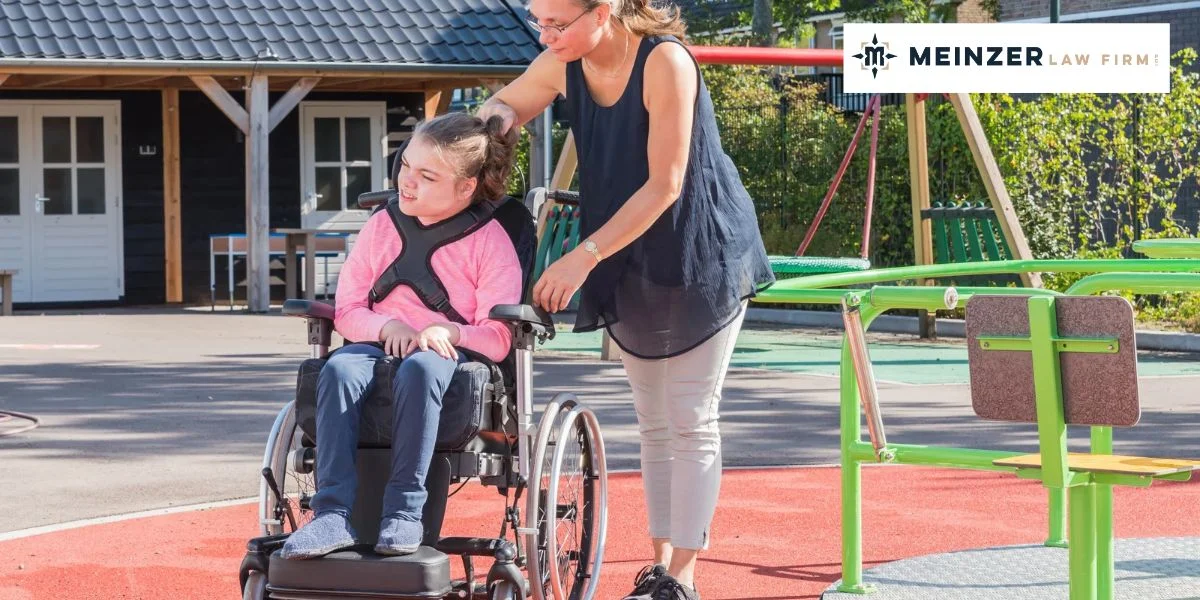
Navigating the transition to adulthood for a child with a developmental disability can be overwhelming, especially when legal and medical authority automatically changes at age 18. A California limited conservatorship allows parents to retain specific legal authorities (such as making medical or educational decisions) while preserving their adult child’s independence wherever possible.
Meinzer Law Firm, PC helps families navigate this transition smoothly and avoid last-minute legal hurdles.
What Is a Limited Conservatorship in California?
A limited conservatorship is a court order that lets you keep making specific decisions for your adult child once a developmental disability that began before age 18 keeps them from managing those decisions alone.
Under California Probate Code section 1801, a limited conservatorship can be granted for an adult whose disability, whether intellectual disability, cerebral palsy, epilepsy, or autism, started before age 18 and is expected to last a lifetime.
It isn’t a guardianship, since California limits guardianship to children under 18, and it isn’t the same sweeping authority a family gets over a parent with dementia. A limited conservatorship attorney can help you figure out early whether your son or daughter’s diagnosis and history put the case in this category, before you spend months collecting the wrong paperwork during an already stressful transition to adulthood.
Signs Your Child May Actually Need the Court’s Help
Not every young adult with a disability needs a limited conservatorship, and pretending otherwise strips away independence they don’t need to lose.
Every 18-year-old with autism or intellectual disabilities is different. Some are ready to make big choices on their own, like managing money or signing forms, with just a little help along the way. Others need a lot more support when it comes to talking to doctors, understanding big decisions, or staying safe around others. Knowing what your child can do on their own helps you pick the right support to protect them while letting them stay as independent as possible.
If your child falls into that second group, a limited conservatorship of the person, the estate, or both can help. The real question isn’t a diagnosis. It’s whether your child can make a choice today and safely handle the consequences.
The Seven Powers a Judge Can Grant
California law gives a judge exactly seven possible powers to hand a limited conservator, and under Probate Code section 2351.5 the court grants only the ones your family’s petition proves are necessary:
- Fixing where the conservatee lives
- Accessing confidential medical and school records
- Consenting to marriage or a registered domestic partnership
- Signing contracts on the conservatee’s behalf
- Giving or withholding medical consent
- Overseeing social and sexual relationships
- Deciding on educational placement
Ask for all seven and a judge will ask you to justify each one separately. Many petitions in South Bay courtrooms request three or four, tied directly to whatever the Regional Center assessment flagged as an actual area of need.
Harbor Regional Center Decides Whether Your Child Qualifies
Before a judge hears anything, Harbor Regional Center, which serves Torrance and the rest of the South Bay, has to confirm your child actually has a developmental disability under the legal definition.
What Counts as a Developmental Disability
The disability has to have started before your child turned 18, be expected to continue indefinitely, and substantially limit daily functioning in areas like communication, learning, or self-care. Intellectual disability, cerebral palsy, epilepsy, and autism spectrum disorder are some of the conditions the California Department of Developmental Services sees across its 21 regional centers statewide, and other similar conditions can qualify too.
If Your Child Was Never a Regional Center Client
A child who was accepted as a Harbor Regional Center client before turning 18 usually qualifies automatically. One who was never evaluated, maybe because the diagnosis came late or the family never applied for services, will need a fresh assessment first.
If you’re not sure whether your child was ever formally accepted as a Harbor Regional Center consumer, a limited conservatorship attorney at Meinzer Law Firm, PC can pull that history and confirm it before you file anything.
A Limited Conservatorship Isn’t the Only Path Forward
A limited conservatorship isn’t automatically the next step just because your child is turning 18, and California Probate Code section 1800.3 requires the court to find that a conservatorship is the least restrictive option before granting one.
A supported decision-making agreement lets your child keep every legal right while naming someone, often you, to help them understand choices and communicate them. For a young adult who can decide but needs a translator for complicated situations, that’s often enough on its own.
Why Six Months Before the Birthday Matters
Filing the petition around six months before your child’s eighteenth birthday is the timeline most Los Angeles County probate courts need to get a hearing scheduled before the date that matters.
In many cases, a court investigator interviews your child, reviews the Regional Center’s assessment, and reports back to the judge. Giving yourself plenty of lead time helps avoid last-minute stress.
The same birthday also triggers a Social Security age-18 redetermination for kids who receive SSI, meaning paperwork piles up quickly. If you wait until after their birthday to apply for conservatorship, you risk a gap where no one has legal authority to make urgent medical or housing decisions.
Frequently Asked Questions
Does a limited conservatorship last forever?
It lasts until a judge terminates it, your child’s needs change, or your child petitions the court to end it. State law requires conservatees be told how to request a hearing to modify or end the arrangement, so reviews really do happen.
Is a limited conservatorship the same as guardianship?
No, guardianship in California only applies to a person under 18, and it ends automatically the day they turn 18. A limited conservatorship picks up where guardianship leaves off, built specifically for an adult whose developmental disability started in childhood. If your child already has a guardian, that authority won’t carry over on its own.
Do I have to hire an attorney to file?
You’re allowed to file on your own, and county self-help centers offer some support with the forms. Many parents still hire help because a court investigator and a judge will scrutinize the specific powers requested, and a rejected petition means starting the clock over. Weigh the do-it-yourself route against how close you are to your child’s birthday before deciding.
Meinzer Law Firm, PC: Your Torrance Conservatorship Law Firm
Turning 18 changes your legal authority as a parent, making court approval necessary to keep making key decisions for your child.
No matter where you are in the timeline, contact our team today for a free consultation to protect your child’s future.
Understand Your Estate Planning Options
Allow us to guide and advise you to plan your estate or to carry out the estate of another. Failing to address these responsibilities can leave your family in a very challenging place. To meet directly with us to discuss your estate planning, conservatorship, probate, trust, or elder law concerns, please call 310-375-3350 or fill out our consultation form.


© 2026 Meinzer Law Firm, PC. All rights reserved.
Digital Marketing By: 
*Images are obtained under license from Canva and other third-party stock image providers, with attribution included where required.